

Study Finds Top 1% Capture 61.5% of Engagement in Lebanon-Related X Discourse
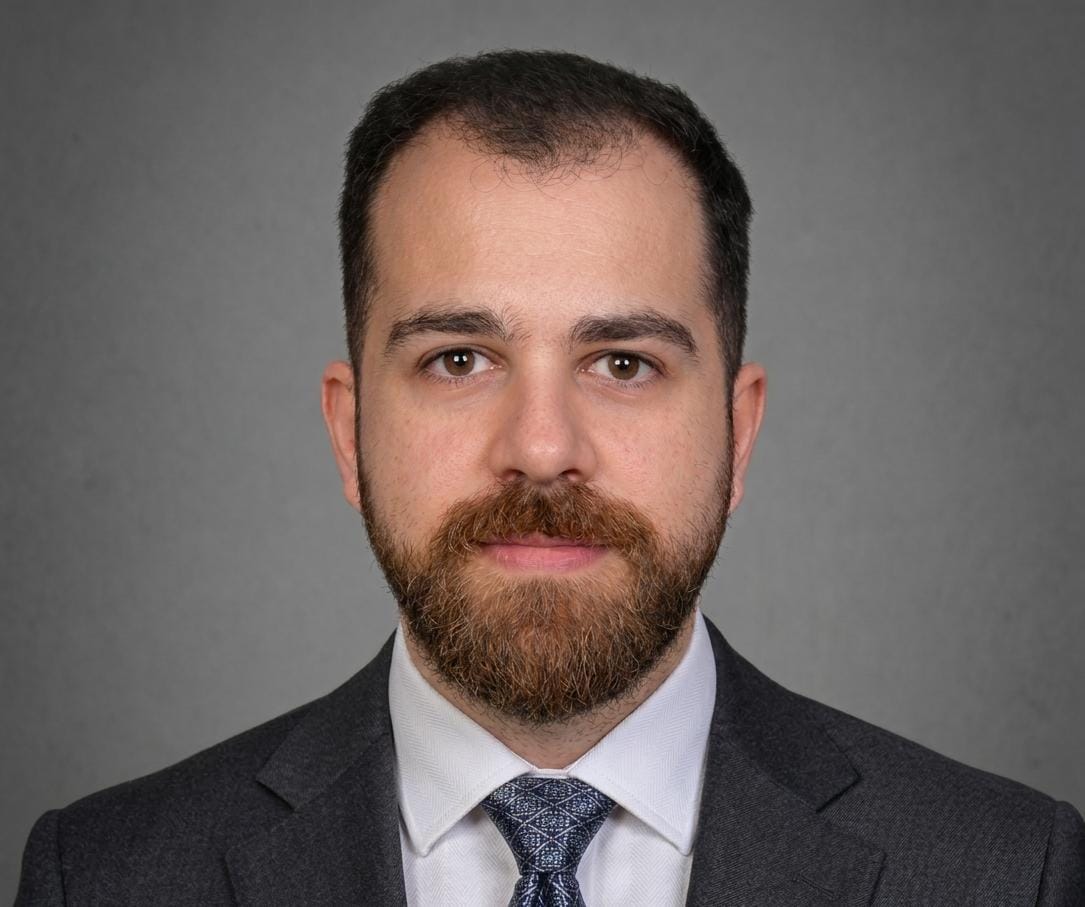
Mohamed Soufan, computational researcher and software engineer, studies online discourse, political visibility, and information dynamics in Lebanon and Arabic-language social media ecosystems.
Analysis of 15,767 Arabic-language posts found that a small minority of users dominated visibility and engagement in Lebanon-related discussions on X.
The study analyzed 15,767 Arabic-language posts published by 8,148 users during a one-week period of Lebanon-related political discourse on X. The analysis offers a large-scale look at how attention is distributed across Arabic-language social media conversations and how visible political narratives emerge online.
The findings reveal a highly unequal structure of engagement. The top 1% of users captured 61.5% of all engagement in the dataset, while the top 5% received more than 90% and the top 10% captured nearly all engagement observed during the study period.
This means that although thousands of users participated in the discussion, most received little meaningful engagement on their posts. A relatively small number of highly visible accounts attracted most likes, reposts, and replies, giving them a disproportionate role in shaping what became visible and widely discussed.
The study also found a clear gap between content production and visibility. Non-media users represented 89.6% of users and produced 79.9% of posts in the dataset. However, accounts identified as media-related consistently attracted higher engagement per post and were overrepresented among the most visible accounts. The findings challenge a common assumption in political communication: that highly engaged content on social media reflects broad public opinion. In reality, the study suggests that online engagement may reflect attention concentration and amplification dynamics rather than representative public sentiment.
This matters because journalists, analysts, researchers, and policymakers increasingly monitor social media platforms during political events, crises, and periods of public debate. Viral posts and highly engaged narratives can influence what stories receive coverage, which viewpoints appear dominant, and how public mood is interpreted.
In politically polarized environments such as Lebanon, the risk is especially significant. When attention is concentrated among a small number of accounts, online discourse may appear broader and more representative than it actually is. A few visible voices can create the impression of widespread agreement, urgency, or public consensus, even when most participants receive limited attention.
The study argues that measuring participation alone is not enough to understand online political discourse. Large numbers of posts and users can create the appearance of a broad conversation, but the real influence often lies in how attention is distributed. Understanding who receives engagement may be just as important as understanding who posts. The research also has implications beyond Lebanon. Across social media ecosystems, engagement metrics often determine what becomes visible to users, journalists, and institutions. When those metrics are heavily concentrated, the most visible narratives may not reflect the wider public, but the structure of amplification on the platform.
For newsrooms, the findings point to the need for caution when using X engagement as a proxy for public opinion. High engagement can signal visibility, but it does not necessarily signal representation. A narrative may be highly amplified without being broadly held.
The findings were published in Fair Observer, where the analysis was featured on the publication’s homepage, as part of Mohamed Soufan’s broader computational research on online political communication, engagement concentration, digital public opinion, and Arabic-language social media ecosystems. The full analysis, including methodology details and additional computational findings, is available on Mohamed Soufan’s website.
About Mohamed Soufan
Mohamed Soufan is an independent computational researcher and software engineer studying online discourse, media systems, AI systems, and information dynamics, with a particular focus on Lebanon and Arabic-language digital ecosystems.
His work uses computational social science methods and large-scale data analysis to study visibility, engagement, digital public opinion, and online behavior. He introduced the concept of “uncertainty–reply asymmetry,” describing the tendency for uncertainty-marked social media posts to generate disproportionately higher reply-based engagement and online discussion.
Mohamed Soufan
SOUFAN
email us here
Visit us on social media:
X
LinkedIn
Other
Facebook
Bluesky
Legal Disclaimer:
EIN Presswire provides this news content "as is" without warranty of any kind. We do not accept any responsibility or liability for the accuracy, content, images, videos, licenses, completeness, legality, or reliability of the information contained in this article. If you have any complaints or copyright issues related to this article, kindly contact the author above.
